
How Better Digestion Improves Energy Levels After 45
 Don’t let digestive discomfort slow you down. Understanding the link between gut health and energy is the first step toward regaining your vitality.
Introduction: Why Better Digestion Improves Energy Levels
Many adults over 40 experience fatigue, low motivation, and brain fog. At first, most people assume the cause is aging, stress, or lack of sleep. However, another factor often plays a major role: digestion.
In fact, better digestion improves energy levels because the digestive system determines how efficiently your body converts food into fuel. When digestion works properly, nutrients are absorbed effectively, inflammation decreases, and the body produces more stable energy throughout the day.
On the other hand, poor digestion prevents your body from accessing essential nutrients, even if your diet is healthy. As a result, your cells may struggle to produce enough energy.
Therefore, understanding how better digestion improves energy levels can help you reduce fatigue, support metabolism, and maintain vitality as you age.
According to the Cleveland Clinic, digestive health plays a major role in nutrient absorption and overall energy production.
In this guide, you’ll learn:
• why better digestion improves energy levels
• how gut health affects fatigue
• warning signs of digestive imbalance
• simple ways to improve digestion naturally
• foods and supplements that support gut health
Why Better Digestion Improves Energy Levels
Your digestive system breaks food down into nutrients that your body uses to generate energy.
These nutrients include:
• B vitamins
• iron
• magnesium
• amino acids
• healthy fats
Once absorbed, these nutrients fuel mitochondria, the tiny structures inside cells that produce energy.
However, if digestion is inefficient, nutrients cannot be absorbed properly. Consequently, energy production declines.
This explains why better digestion improves energy levels. When digestion functions well, the body receives the nutrients it needs to maintain energy and metabolic balance.
According to the National Institutes of Health, nutrient absorption is a key factor in maintaining metabolic energy.
👉 Learn More
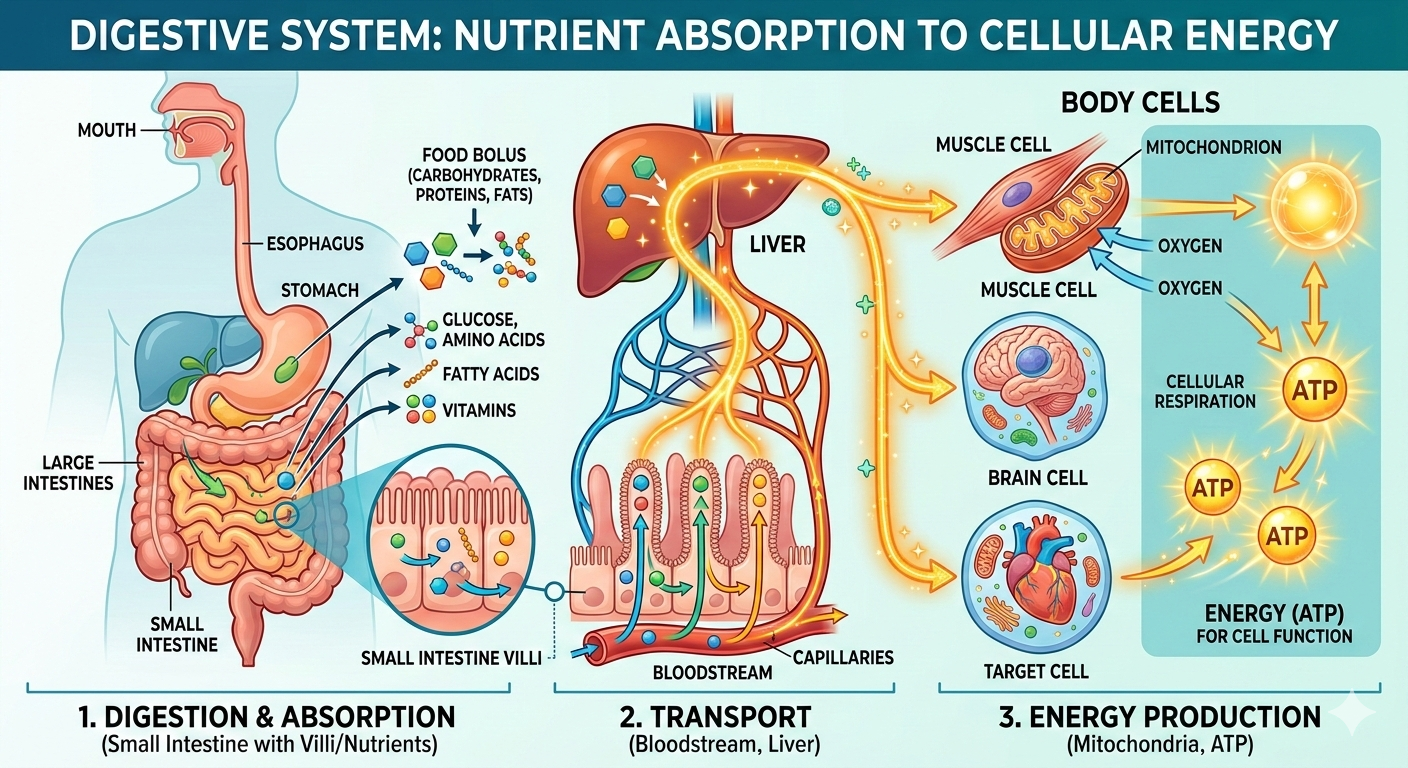 This infographic illustrates the three stages of metabolic energy production. It tracks the journey of macronutrients as they are absorbed by the small intestine, transported through the bloodstream, and finally converted into ATP (adenosine triphosphate)—the universal energy currency of our cells.
Why Digestion Declines After 40 and Affects Energy
As people age, several biological changes affect digestion. Consequently, many individuals notice that energy levels decrease after meals or throughout the day.
Understanding these changes helps explain why better digestion improves energy levels later in life.
Reduced Stomach Acid
First, stomach acid levels naturally decline with age.
Stomach acid is essential because it helps break down protein and activate digestive enzymes. Without sufficient stomach acid, digestion becomes slower and less efficient.
As a result, people may experience:
• bloating
• nutrient deficiencies
• fatigue after meals
Lower Digestive Enzyme Production
In addition, the body may produce fewer digestive enzymes over time. These enzymes help break down carbohydrates, proteins, and fats.
When enzyme levels decline, food remains in the digestive tract longer. Consequently, people often feel sluggish after eating.
Therefore, improving digestion helps the body convert food into energy more efficiently.
Gut Microbiome Changes
Another important factor is the gut microbiome. This community of beneficial bacteria plays a major role in digestion and metabolism.
Research from Harvard Medical School shows that gut bacteria influence digestion, immune health, and energy production.
When the microbiome becomes imbalanced, the body may struggle to extract nutrients from food. As a result, fatigue can develop.
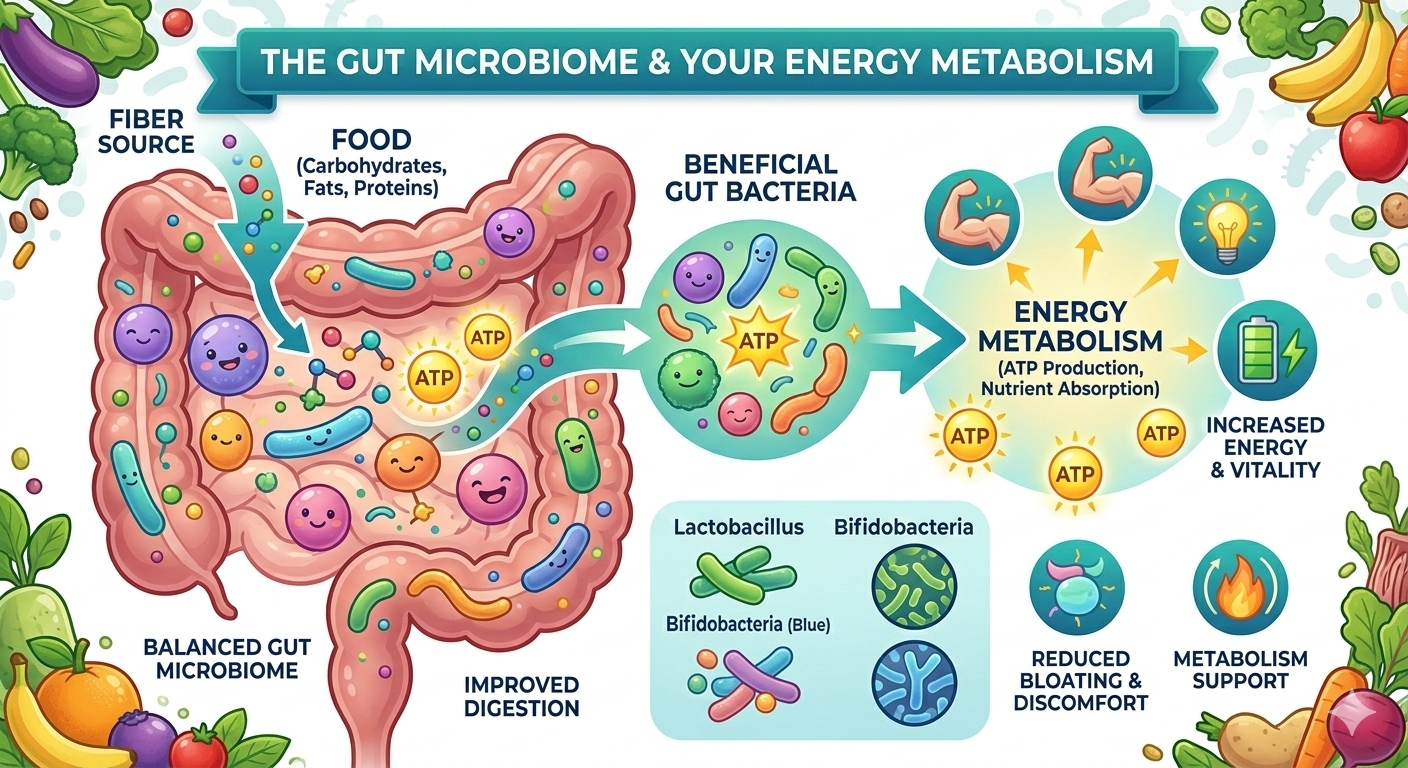
“illustration of gut microbiome bacteria supporting digestion and energy metabolism, colorful beneficial bacteria ecosystem, educational health infographic”
Signs You Need Better Digestion to Improve Energy Levels
Sometimes digestive problems develop gradually. Therefore, many people overlook the connection between digestion and fatigue.
However, several symptoms may indicate that better digestion improves energy levels in your body.
Common warning signs include:
• bloating after meals
• acid reflux
• excessive gas
• irregular bowel movements
• brain fog
• feeling tired after eating
If these symptoms appear frequently, improving digestive health may restore energy naturally.
For example, the Mayo Clinic notes that digestive disorders often affect nutrient absorption and overall energy levels.
How Better Digestion Improves Energy Levels in the Body
There are several biological reasons better digestion improves energy levels.
Better Digestion Improves Energy Levels Through Nutrient Absorption
First, efficient digestion allows vitamins and minerals to enter the bloodstream.
Key energy-supporting nutrients include the following:
• vitamin B12
• iron
• magnesium
• coenzyme Q10
Without proper digestion, the body cannot use these nutrients effectively. Consequently, fatigue may develop.
👉 Learn More
Better Digestion Improves Energy Levels by Stabilizing Blood Sugar
Next, healthy digestion helps regulate blood sugar.
When digestion slows, blood sugar spikes and crashes may occur. As a result, people experience sudden fatigue.
However, balanced digestion supports steady glucose levels, which provides consistent energy.
Better Digestion Improves Energy Levels by Reducing Inflammation
Another important benefit is reduced inflammation.
An unhealthy gut can trigger chronic inflammation throughout the body. This inflammatory response consumes energy and disrupts metabolism.
Therefore, improving digestive health often leads to better energy levels.
Better Digestion Improves Energy Levels Through the Gut-Brain Axis
Finally, the digestive system communicates with the brain through the gut-brain axis.
The gut produces neurotransmitters such as serotonin, which affect mood, focus, and energy.
According to Johns Hopkins Medicine, the gut and brain constantly communicate through nerves and hormones.
Therefore, a healthier digestive system often leads to better mental clarity and energy.
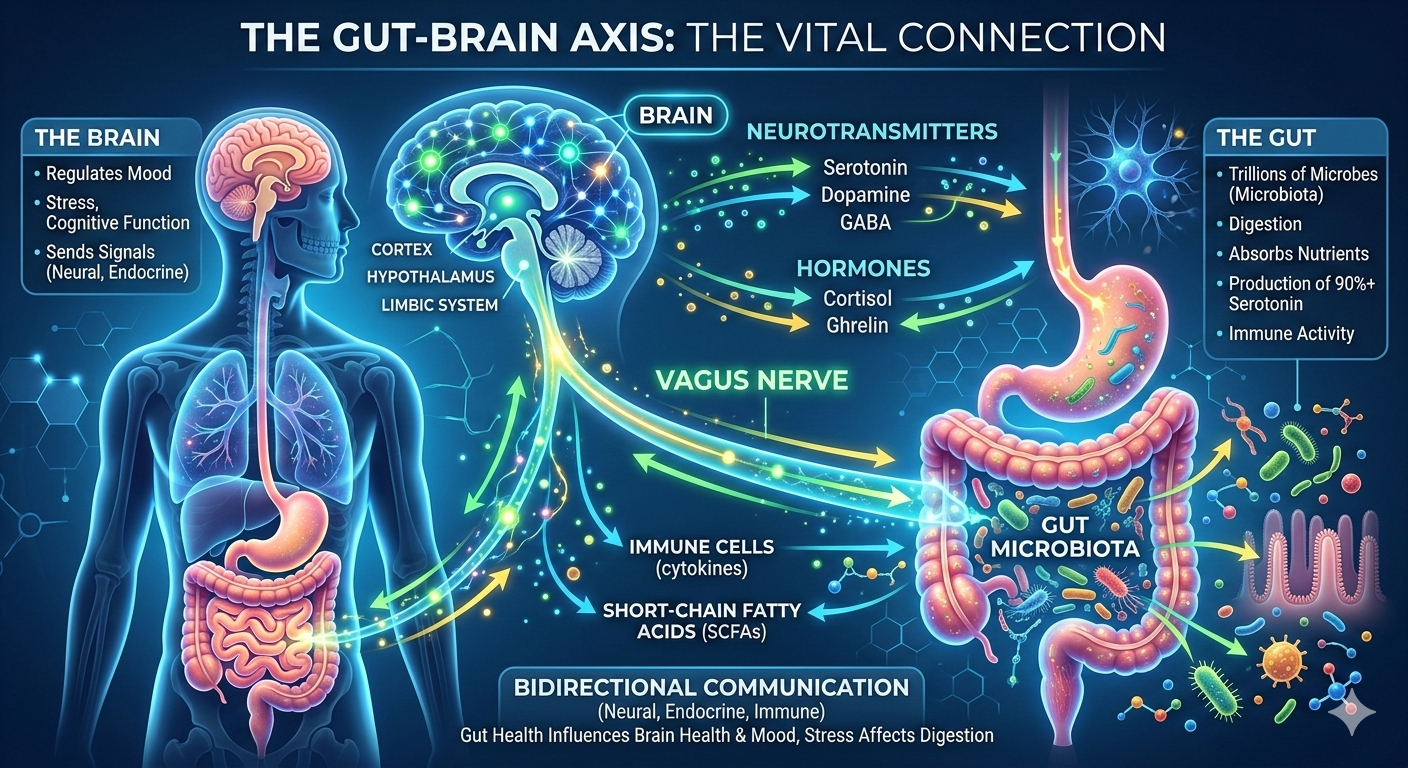 The gut-brain axis is a bidirectional communication network where the brain regulates mood and stress while the gut—home to trillions of microbes—produces 90% of the body’s serotonin. Linked by the vagus nerve and chemical signals, this “second brain” ensures that digestive health and mental well-being are deeply interconnected.
Simple Habits That Help Better Digestion and Improve Energy Levels
Fortunately, improving digestion often involves simple daily habits.
Eat slowly and chew. Thoroughly
First, digestion begins in the mouth.
When you chew food thoroughly, digestive enzymes break food down more efficiently. Consequently, the digestive system works less intensely later.
Eat More Gut-Friendly Foods
In addition, certain foods support digestive health.
Examples include:
• fermented foods
• fiber-rich vegetables
• whole grains
• healthy fats
• lean proteins
These foods nourish beneficial bacteria. As a result, digestion improves and energy production increases.
Stay Hydrated
Water supports digestive enzyme activity and nutrient transport. Therefore, staying hydrated helps digestion function smoothly.
Manage Stress
Chronic stress slows digestion because the body enters a fight-or-flight state.
However, relaxation techniques such as walking, breathing exercises, or meditation help restore digestive balance.
 “A wellness lifestyle illustration supporting healthy digestion and energy through hydration, gut-friendly foods, relaxation, and walking.”
Supplements That Support Digestion and Energy
Sometimes lifestyle improvements alone are not enough. In those cases, certain supplements may support digestive health.
Examples include:
• digestive enzymes
• probiotics
• prebiotic fiber
• magnesium
These supplements may improve nutrient absorption and help the body maintain steady energy levels.
However, it is always wise to consult a healthcare professional before starting new supplements.
Daily Routine That Helps Better Digestion and Improve Energy Levels
Small daily habits can gradually improve digestion.
Morning
• drink warm water
• eat a balanced breakfast with protein and fiber
Midday
• walk briefly after meals
• avoid heavy processed foods
Evening
• eat dinner earlier
• avoid large late-night meals
Over time, these habits support digestive health and reinforce why better digestion improves energy levels.
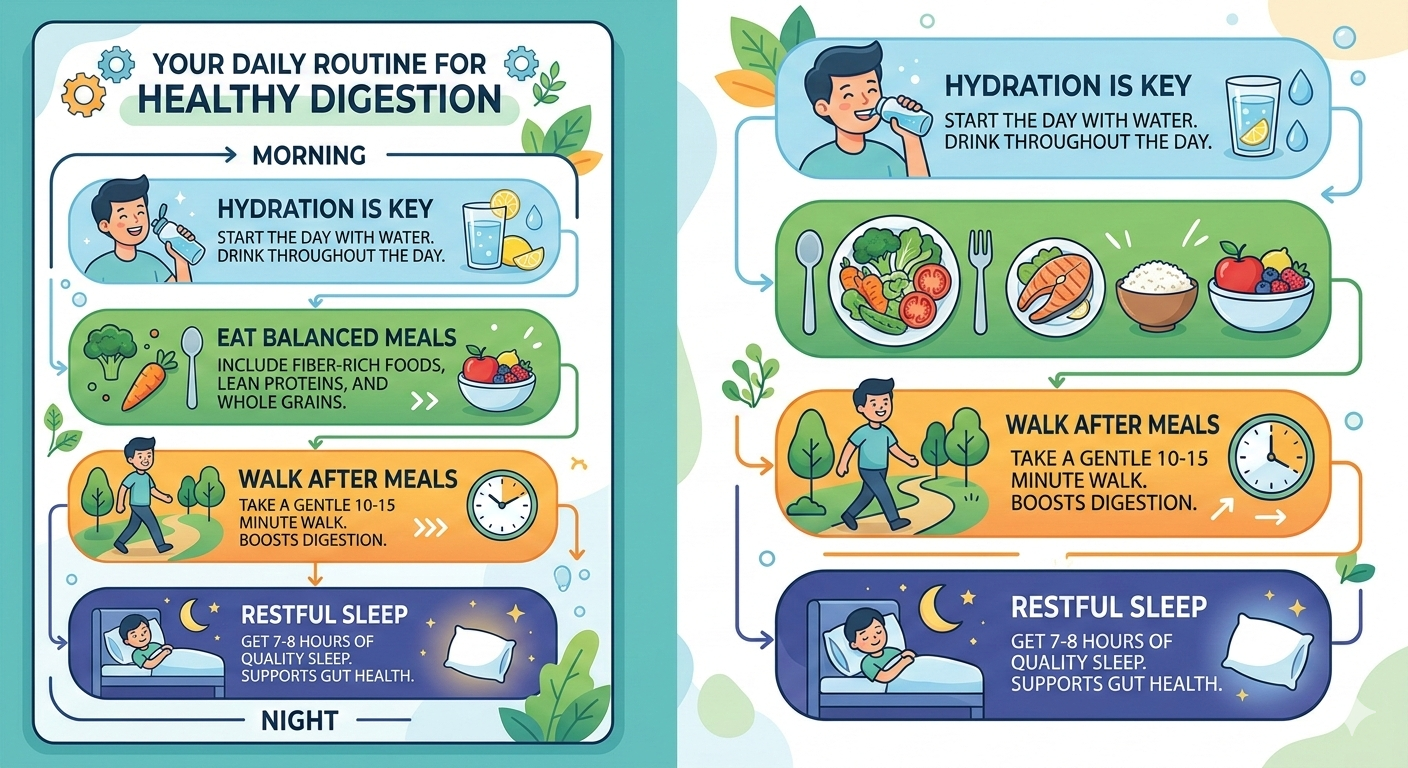 Master your gut health with this simple daily routine: hydrate, eat balanced meals, walk, and rest.
Long-Term Benefits of Better Digestion for Energy
When digestion improves, the entire body benefits.
Long-term benefits include:
• stronger metabolism
• improved immune function
• clearer mental focus
• reduced inflammation
• healthier aging
Therefore, maintaining digestive health is one of the most powerful ways to sustain energy after 40.
Final Thoughts: Why Better Digestion Improves Energy Levels
Many people rely on caffeine or energy drinks to fight fatigue. However, the real solution often lies in digestive health.
When digestion functions properly:
• nutrients are absorbed efficiently
• inflammation decreases
• metabolism becomes more efficient
• energy production improves
For this reason, better digestion improves energy levels and supports long-term vitality.
By focusing on gut health, nutrition, and healthy habits, you can restore natural energy and feel stronger every day.