Early Signs of Prostate Problems Most Men Ignore After 40
 Introduction
The early signs of prostate problems are often subtle, easy to dismiss, and quietly progressive. Many men over 40 assume that nighttime urination, a weaker urine stream, or mild pelvic discomfort is simply “normal aging.” But in reality, these can be early warning signals that something is changing inside the prostate gland.
Recognizing these signs early can mean the difference between simple lifestyle support and more serious medical intervention later.

Image:
A man is checking the bedside clock at 2:30 AM
2. Weak or Interrupted Urine Stream
If your urine stream feels weaker or stops and starts, this could signal prostate swelling, narrowing the urethra.
Watch for:
-
Dribbling at the end
-
Reduced pressure
-
Straining to begin
The American Urological Association identifies urinary flow changes as one of the earliest measurable symptoms of prostate enlargement.
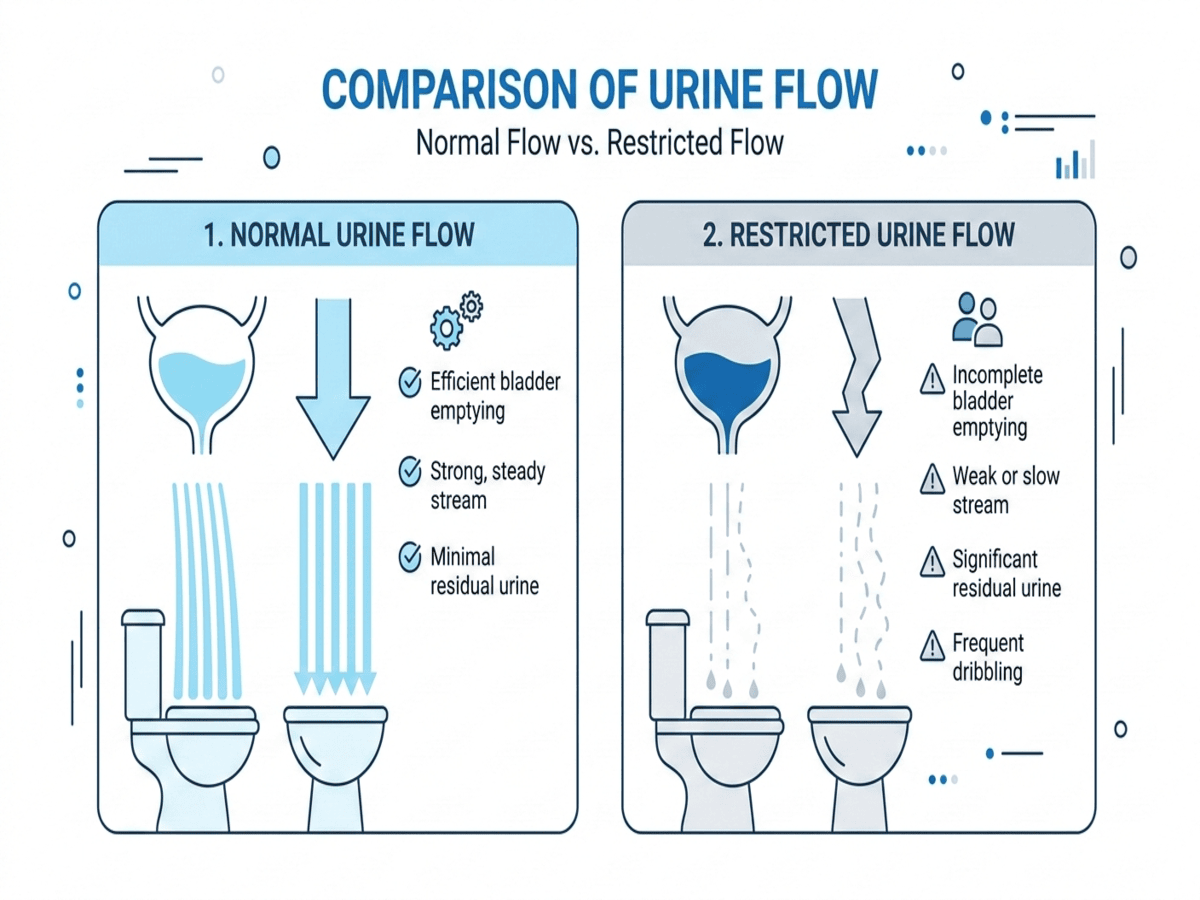
Simple visual comparison: normal urine flow vs restricted flow
Alt text: weak urine stream symptom prostate
File name: weak-urine-stream-prostate.jpg
3. Difficulty Starting Urination
Hesitation before urinating—even when you feel the urge—may indicate early obstruction.
Because the prostate surrounds the urethra:
-
Enlargement compresses the passage
-
Bladder muscles must work harder
-
Flow becomes delayed
This is often one of the earliest mechanical signs.
4. Feeling Like the Bladder Isn’t Empty
Do you finish urinating but still feel pressure or fullness?
Incomplete emptying is a common early complaint and may increase the risk of bladder strain if ignored.
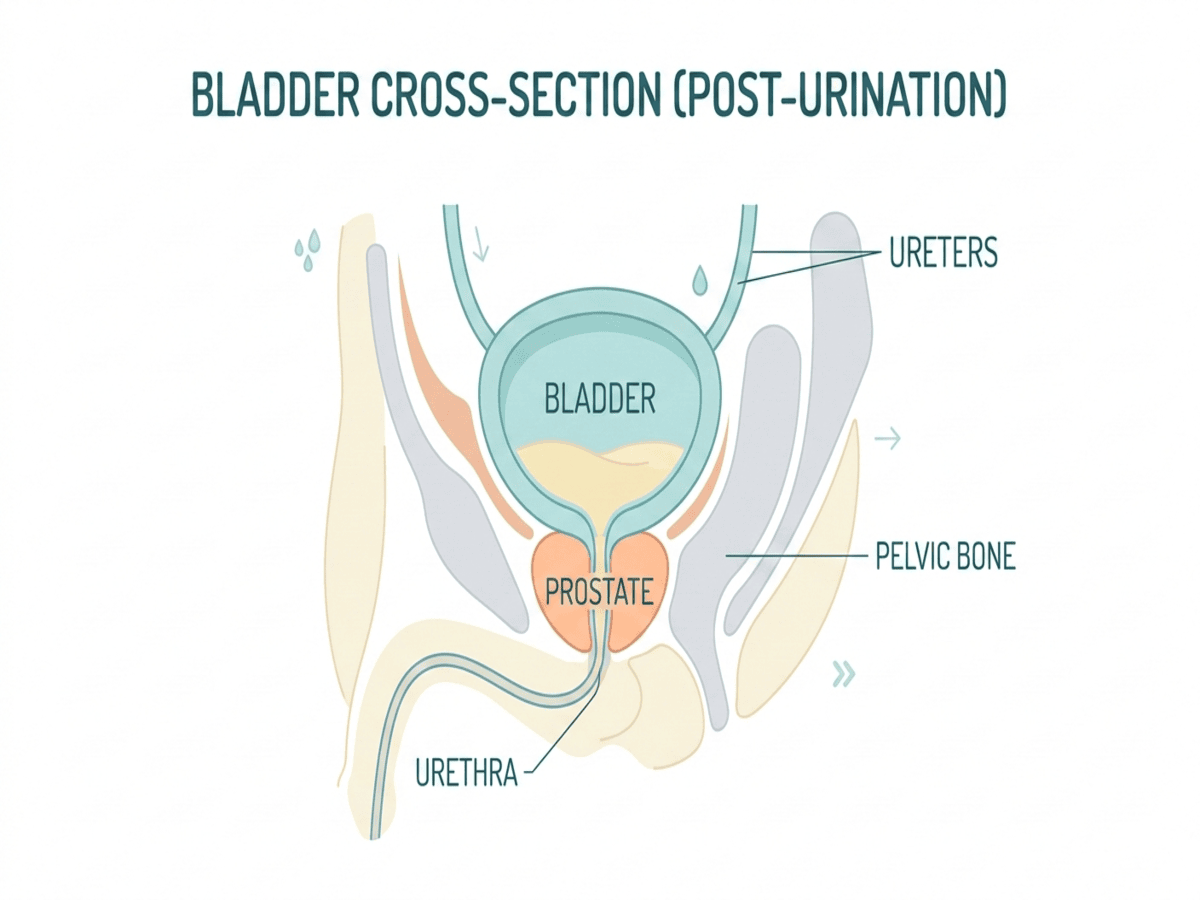
Illustration showing the bladder not fully emptying
5. Mild Pelvic or Lower Back Discomfort
Not all prostate issues cause pain, but subtle discomfort in the pelvic region or lower back can accompany inflammation.
The Cleveland Clinic notes that prostatitis may present with discomfort even before severe urinary symptoms appear.
 Man gently holding lower back in mild discomfort
6. Increased Urgency or Mild Leakage
Another early signal is urgency — the sudden need to urinate quickly.
You may notice:
-
Rushing to the bathroom
-
Minor leakage
-
Increased sensitivity after caffeine
While mild at first, persistent urgency deserves attention.
Why Men Ignore These Symptoms
Many men dismiss these changes because
-
“It’s just aging.”
-
Symptoms are gradual.
-
There is no severe pain.
-
Urinary issues feel uncomfortable to discuss.
But awareness protects long-term health.
 Thoughtful African man over 50 reflecting in the calm morning light, embracing health and self‑care in a peaceful home environment.
When to See a Doctor
Seek medical advice if:
-
Symptoms persist for weeks
-
Urination becomes painful
-
There is blood in urine
-
You are unable to urinate
According to the National Institutes of Health, early evaluation improves long-term management outcomes.
Supporting Prostate Health Early
Proactive support may include:
✔ Balanced diet rich in tomatoes and leafy greens
✔ Regular movement and weight management
✔ Limiting alcohol and excessive caffeine
✔ Evidence-based supplement support (after medical consultation)
Early support often leads to better comfort and confidence.
Final Thoughts
The early signs of prostate problems rarely arrive dramatically. They whisper before they escalate.
Frequent urination. Weak stream. Hesitation. Incomplete emptying.
If you are over 40, paying attention today can protect your vitality for decades to come.
Your body signals before it struggles.
Listen early.