The Best Supplements for Mitochondrial Support
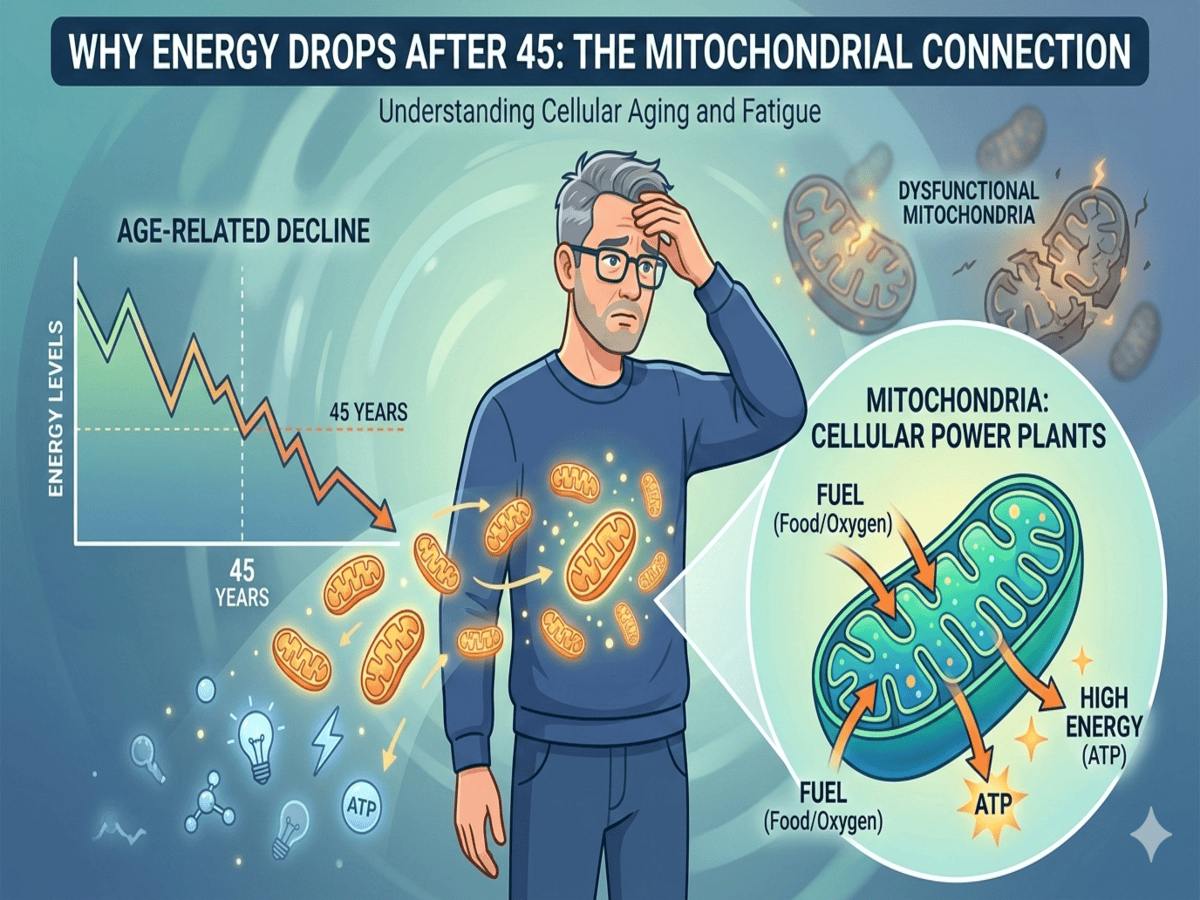
Introduction: Why Mitochondrial Support Supplements Matter More Than Ever
If you’ve been feeling constantly tired, mentally foggy, or slower to recover from physical or mental stress, the problem may not be motivation or age—it may be your mitochondria.
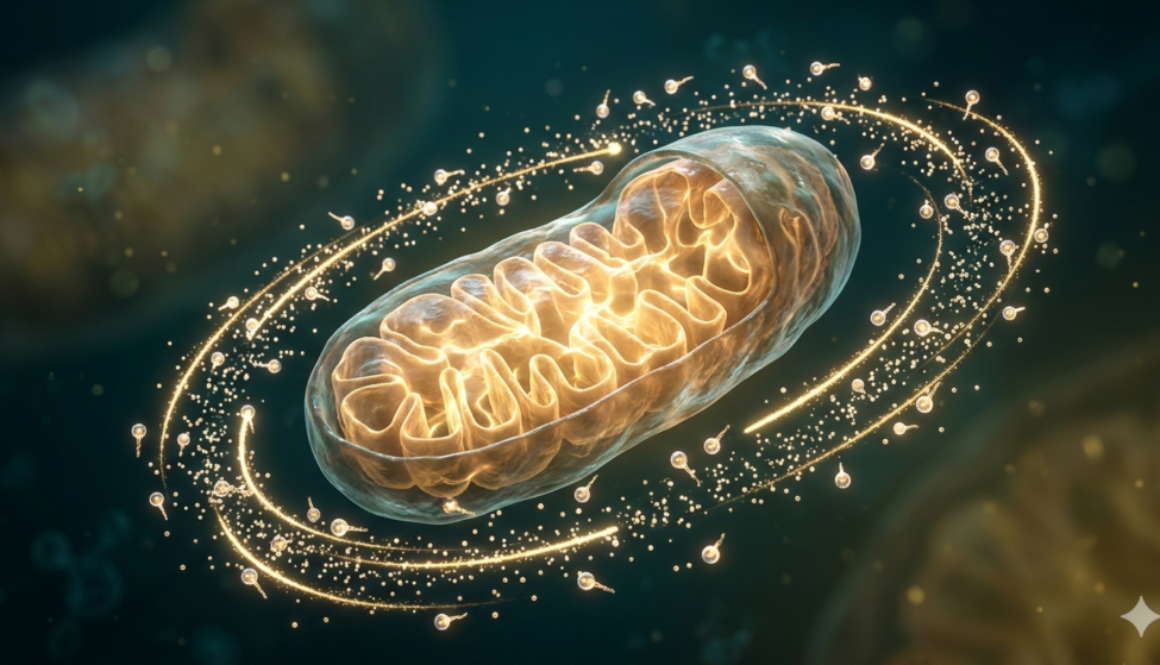
Mitochondrial support supplements are gaining attention because mitochondria are responsible for producing ATP, the energy currency your body relies on for everything from muscle movement to brain function. When mitochondrial function declines, energy drops, inflammation rises, and aging accelerates.
The challenge? Many supplements promise “cellular energy” without actually supporting mitochondrial biology. This guide cuts through the noise and highlights mitochondrial support supplements that actually help, based on science, mechanisms, and real-world experience.
What Are Mitochondrial Support Supplements?
Mitochondrial support supplements are nutrients and compounds that enhance how efficiently mitochondria
-
Produce ATP (cellular energy)
-
Protect themselves from oxidative damage
-
Repair mitochondrial DNA
-
Create new mitochondria (biogenesis)
Unlike stimulants, these supplements work at a cellular level, supporting sustainable energy rather than quick boosts. According to the Institute for Functional Medicine, targeted nutrients can significantly improve mitochondrial efficiency and resilience when used correctly.
👉 Learn More
- Why Mitochondrial Health Declines Over Time
Mitochondrial function naturally declines due to the following:
-
Aging and oxidative stress
-
Chronic inflammation
-
Poor sleep and sedentary lifestyle
-
Nutrient deficiencies
-
Certain medications (notably statins)
As mitochondria weaken, cells struggle to meet energy demands, leading to fatigue, cognitive decline, metabolic slowdown, and reduced physical performance. Supporting mitochondria is not about “anti-aging hype”—it’s about maintaining cellular competence.
Coenzyme Q10: A Foundational Mitochondrial Support Supplement
Why CoQ10 Is Essential for Mitochondrial Support Supplements
Coenzyme Q10 plays a central role in the mitochondrial electron transport chain, where ATP is produced. Without adequate CoQ10, energy production becomes inefficient.
Research summarized by the Institute for Functional Medicine shows that CoQ10 levels decline significantly with age and are depleted by statin medications.
Key Benefits
-
Improves ATP production
-
Reduces mitochondrial oxidative stress
-
Supports heart, muscle, and brain energy
Best form: Ubiquinol (the reduced, more bioavailable form)
Personal insight: Consistent CoQ10 use over several weeks often shifts energy from “barely getting through the day” to sustained physical and mental endurance—without stimulant crashes.
NAD⁺ Boosters (NMN & NR): Cellular Energy Regulators
How NAD⁺ Supports Mitochondrial Function
NAD⁺ is a critical coenzyme involved in mitochondrial respiration, DNA repair, and cellular signaling. Levels decline steadily with age, impairing energy metabolism.
NMN (Nicotinamide Mononucleotide) and NR (Nicotinamide Riboside) are NAD⁺ precursors shown to restore intracellular NAD⁺ levels. According to integrative medicine research, boosting NAD⁺ improves mitochondrial efficiency and metabolic flexibility.
Key Benefits
-
Enhances mitochondrial energy production
-
Supports healthy aging pathways
-
Improves muscle and cognitive resilience
These supplements don’t act like caffeine—they restore the cell’s ability to generate energy naturally.
PQQ: One of the Few Supplements That Creates New Mitochondria
Why PQQ Stands Out Among Mitochondrial Support Supplements
Pyrroloquinoline quinone (PQQ) is unique because it stimulates mitochondrial biogenesis—the creation of new mitochondria.
This matters because healthier cells don’t just need better mitochondria; they often need more of them.
Key Benefits
-
Promotes mitochondrial growth
-
Supports cognitive performance
-
Works synergistically with CoQ10
For individuals focused on long-term brain health and cellular longevity, PQQ adds a dimension most supplements lack.
Acetyl-L-Carnitine: Fuel Transport for Mitochondria
How Acetyl-L-Carnitine Supports Mitochondrial Energy
Acetyl-L-Carnitine (ALCAR) transports fatty acids into mitochondria so they can be converted into ATP. Without adequate carnitine, fat metabolism becomes inefficient—even in physically active individuals.
Key Benefits
-
Enhances fat-based energy production
-
Supports cognitive clarity
-
Improves exercise recovery
ALCAR is particularly useful for aging adults, endurance athletes, and anyone experiencing afternoon energy crashes despite adequate sleep.
Alpha-Lipoic Acid: The Mitochondrial Antioxidant Amplifier
Alpha-lipoic acid (ALA) functions as both an energy cofactor and a powerful antioxidant within mitochondria.
What makes ALA unique is its ability to recycle other antioxidants such as vitamin C, vitamin E, and glutathione—extending mitochondrial protection.
Key Benefits
-
Reduces oxidative stress inside mitochondria
-
Supports glucose metabolism
-
Enhances cellular detox pathways
ALA works best as part of a mitochondrial stack rather than as a standalone supplement.
Magnesium: The Unsung Hero of Mitochondrial Support Supplements
Magnesium is required for ATP activation—without it, ATP exists but cannot be used efficiently by cells.
Studies summarized by functional medicine researchers indicate that magnesium deficiency is widespread and strongly linked to fatigue, muscle weakness, and poor mitochondrial output.
Key Benefits
-
Activates ATP
-
Supports muscle and nerve function
-
Improves sleep quality
Best forms: Magnesium glycinate or magnesium malate for superior absorption.
B-Complex Vitamins: Energy Conversion Specialists
B vitamins are essential cofactors in mitochondrial metabolic pathways, especially the following:
-
B2 (riboflavin)
-
B3 (niacin)
-
B5 (pantothenic acid)
-
B12 (cobalamin)
These vitamins help convert carbohydrates, fats, and proteins into usable cellular energy.
A high-quality B-complex supports mitochondrial efficiency, particularly in individuals under stress or with dietary gaps.
Comparison Table: Mitochondrial Support Supplements That Actually Help
| Supplement | Primary Role | Best Use Case |
|---|---|---|
| CoQ10 (Ubiquinol) | ATP production | Aging, fatigue |
| NMN / NR | NAD⁺ restoration | Longevity, metabolism |
| PQQ | Mitochondrial biogenesis | Brain & cellular health |
| Acetyl-L-Carnitine | Fatty acid transport | Endurance, cognition |
| Alpha-Lipoic Acid | Antioxidant support | Oxidative stress |
| Magnesium | ATP activation | Energy & sleep |
| B-Complex | Energy metabolism | Nutrient support |
👉 Learn More
-
[Check Option] →]
How to Stack Mitochondrial Support Supplements Effectively
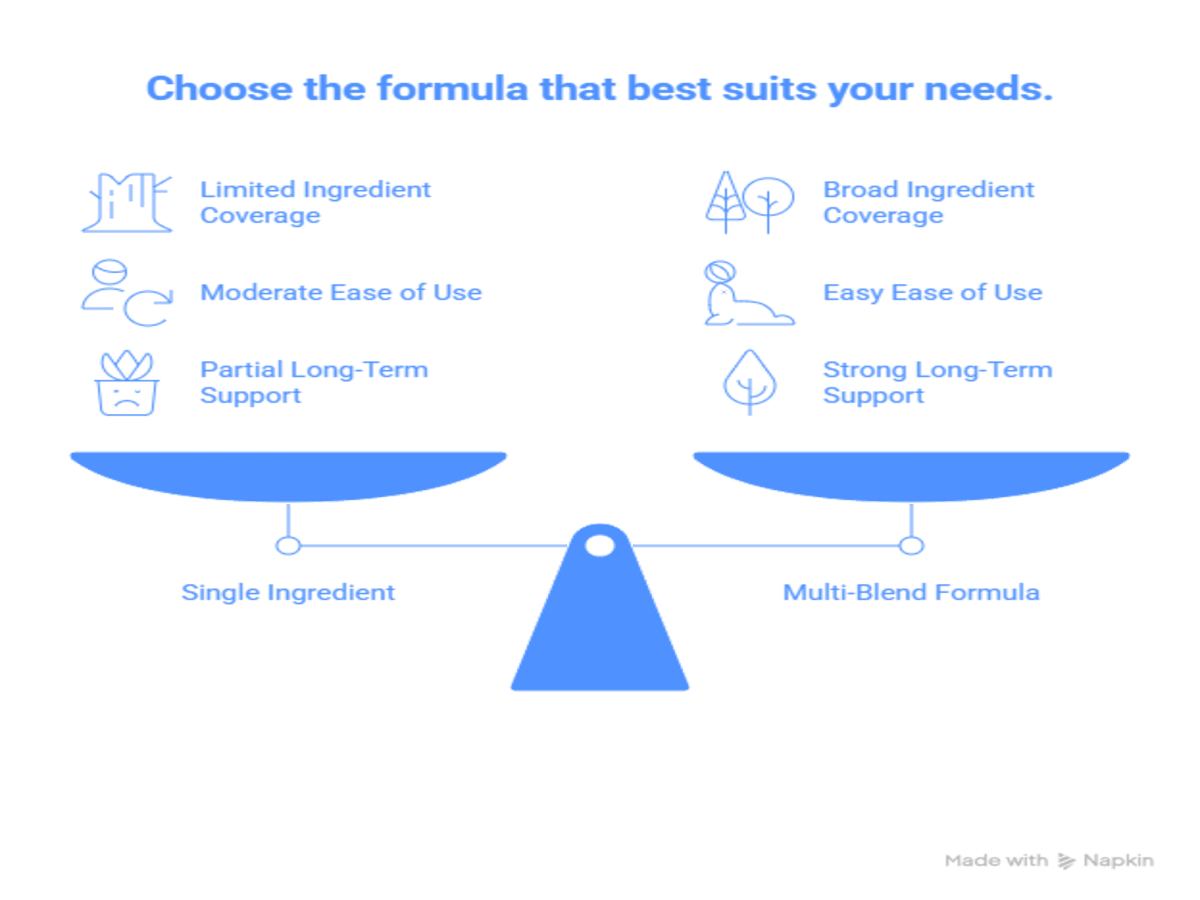
Rather than relying on one supplement, the most effective approach supports multiple mitochondrial pathways.
Example daily strategy:
Morning
-
NMN or NR
-
CoQ10
-
Acetyl-L-Carnitine
-
B-Complex
Evening
-
Magnesium
-
Alpha-lipoic acid
-
PQQ (optional)
Always start with lower doses and build gradually. Consult a healthcare professional if you have medical conditions or take prescription medications.
Final Thoughts: Choosing the Right Mitochondrial Support Supplements
True mitochondrial support supplements don’t act like stimulants—they restore the cell’s natural energy-producing machinery.
When combined with good sleep, movement, and nutrition, these supplements can improve not only how you feel day-to-day but also how your body ages at a cellular level.
The goal isn’t instant energy—it’s sustainable cellular performance.
Have you tried any mitochondrial support supplements?
💬 Share your experience in the comments.
📩 Want a mitochondrial stack checklist, dosage guide, or product recommendations? Subscribe or explore related articles on cellular energy and healthy aging.

 Gut health and fatigue concept showing the digestive system affecting energy levels
 supplements supporting gut health and fatigue
 Introduction
 Man gently holding lower back in mild discomfort
 Thoughtful African man over 50 reflecting in the calm morning light, embracing health and self‑care in a peaceful home environment.