
Digestive Health Best Supplements:What You Need To Know
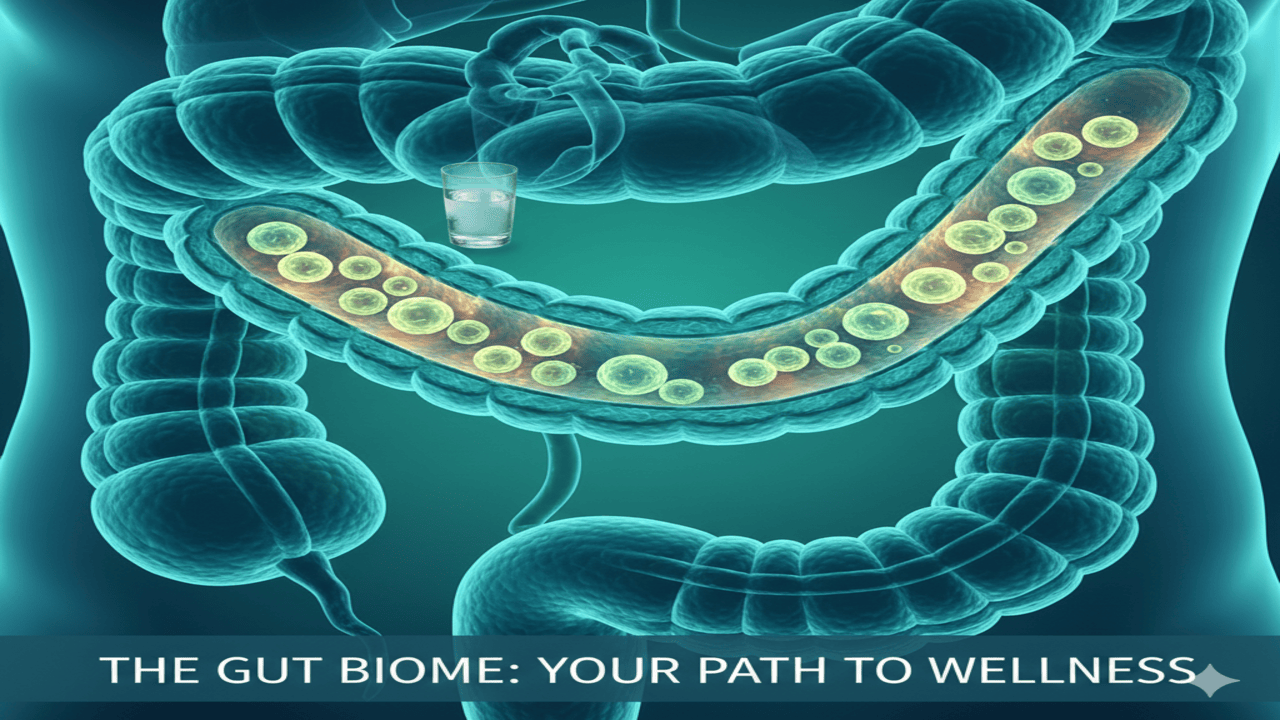
Introduction:
Digestive health is one of those topics we tend to ignore—until something goes wrong.
Bloating that won’t go away. Irregular bowel movements. Acid reflux that creeps up at night. Or that vague feeling that your gut just isn’t happy anymore.
I learned this the hard way.
After 45, I noticed that foods I’d eaten comfortably for decades suddenly triggered discomfort. Spicy meals lingered longer. Dairy felt heavier. And stress? It went straight to my stomach. That experience prompted me to research digestive health thoroughly—not from marketing claims, but from scientific evidence, clinical studies, and real-world applications.
This guide breaks down the best supplements for digestive health, explains what they actually do, and guides how to use them intelligently—without falling for hype.
Why Digestive Health Matters More Than You Think
Digestive health is not just about digestion. It affects:
-
Nutrient absorption
-
Immune function (70% of immunity starts in the gut)
-
Energy levels
-
Brain health via the gut–brain axis
-
Inflammation and chronic disease risk
According to research published by the National Institutes of Health, poor gut function is strongly linked to metabolic disorders, immune dysfunction, and even mood imbalances (gut microbiome overview).
When digestion suffers, everything else quietly follows.
Understanding Digestive Health Supplements (Before You Buy)
 Not all digestive health supplements do the same thing. This is where many people go wrong—buying probiotics when they actually need enzymes, or fiber when their gut is already inflamed.
Here’s a quick comparison.
Digestive Health Supplement Comparison Table
| Supplement Type | Best For | Key Benefit | Who Should Use It |
|---|---|---|---|
| Probiotics | Gut balance | Restores healthy bacteria | After antibiotics, IBS |
| Digestive Enzymes | Food breakdown | Reduces bloating & gas | Over 40, heavy meals |
| Fiber Supplements | Regularity | Feeds gut bacteria | Constipation-prone |
| L-Glutamine | Gut lining | Repairs the intestinal wall | Leaky gut symptoms |
| Peppermint Oil | IBS relief | Reduces cramping | IBS sufferers |
1. Probiotics: The Foundation of Digestive Health
When it comes to digestive health, probiotics are often the first supplement people hear about—and for good reason.
Probiotics are live beneficial bacteria that help rebalance your gut microbiome.
What Probiotics Actually Help With
-
Antibiotic recovery
-
Diarrhea and constipation
-
IBS symptoms
-
Immune support
But here’s the insight most blogs miss:
Not all probiotics survive your stomach acid.
Look for:
-
Multi-strain formulas
-
Clinically studied strains like Lactobacillus and Bifidobacterium
-
Delayed-release capsules
The Harvard Medical School Health Blog highlights that strain specificity matters far more than CFU count (probiotic science explained).
Personal note: Probiotics helped me after digestive distress—but they didn’t fix bloating alone. That’s where enzymes came in.
2. Digestive Enzymes: The Missing Link After 40
Digestive enzyme production naturally declines with age. That means your body struggles more with breaking down:
-
Proteins
-
Fats
-
Lactose
-
Complex carbohydrates
Signs You May Need Digestive Enzymes
-
Feeling uncomfortably full after meals
-
Gas or bloating 30–60 minutes after eating
-
Fatty stools
-
Acid reflux despite eating “clean.”
Digestive enzymes support digestive health by doing the work your body can’t fully do anymore.
Common enzymes to look for:
-
Amylase (carbs)
-
Protease (protein)
-
Lipase (fats)
-
Lactase (dairy)
3. Fiber Supplements: Feed Your Gut (But Choose Wisely)

Fiber is essential for digestive health—but too much, too fast can backfire.
There are two types of fiber:
Soluble Fiber
-
Slows digestion
-
Feeds good bacteria
-
Helps regulate blood sugar
Insoluble Fiber
-
Adds bulk
-
Speeds up bowel movement
For supplements, soluble fiber like psyllium husk or partially hydrolyzed guar gum (PHGG) is gentler and more effective.
The Cleveland Clinic confirms soluble fiber improves gut bacteria diversity and stool regularity (fiber and gut health).
⚠️ Important: Start low. Fiber overload is one of the most common causes of worsening bloating.
4. L-Glutamine: Repairing the Gut Lining
If digestive health issues persist despite probiotics and enzymes, the problem may be deeper—gut lining integrity.
L-glutamine is an amino acid that supports:
-
Intestinal wall repair
-
Reduced permeability (“leaky gut”)
-
Inflammation control
This is especially relevant if you experience:
-
Food sensitivities
-
Chronic bloating
-
Autoimmune conditions
-
Stress-related digestive issues
A clinical review in the Nutrients Journal supports glutamine’s role in maintaining intestinal barrier function (gut barrier research).
💡 Fresh Insight: Glutamine works best when digestive stress is reduced—pair it with mindful eating and stress management.
5. Peppermint Oil: Targeted Relief for IBS
Peppermint oil isn’t a general digestive health supplement—it’s precision relief, particularly for IBS.
Benefits include:
-
Reduced intestinal spasms
-
Less gas and cramping
-
Improved bowel comfort
Enteric-coated capsules are essential to prevent heartburn.
This is one of the few supplements strongly supported by clinical trials for IBS symptom relief.
Key Digestive Health Insights Most People Miss
Supplements Don’t Replace Habits
No supplement will fix:
-
Eating too fast
-
Chronic stress
-
Poor sleep
-
Overuse of antacids
Timing Matters
-
Enzymes: with meals
-
Probiotics: away from hot drinks
-
Fiber: consistently, with water
Less Is More
Stacking multiple supplements at once often worsens symptoms.
How to Choose the Right Digestive Health Supplement
Before buying, ask:
-
What symptom am I trying to fix?
-
Is this short-term support or long-term maintenance?
-
Does the product list clinically relevant doses?
Avoid:
-
“Cure-all” blends
-
Proprietary blends with hidden dosages
-
Supplements promising instant results
Conclusion: Supporting Digestive Health the Smart Way
Digestive health is deeply personal—and deeply foundational.
The best supplements for digestive health don’t mask symptoms. They support natural processes, restore balance, and work alongside lifestyle improvements.
If I had to summarize:
-
Start with enzymes if digestion feels heavy
-
Use probiotics strategically, not blindly
-
Add fiber gently
-
Repair the gut when symptoms persist
Your gut doesn’t need more products.
It needs better support.
👉 Have you tried any digestive health supplements that actually worked—or failed?
Share your experience in the comments.
👉 Explore our in-depth supplement guides for adults over 45 to make safer, smarter health decisions.
👉 Subscribe to our newsletter for science-backed digestive health insights without the hype.
Your gut will thank you.