10 Signs Your Gut Health Is Draining Your Energy
 Gut health and fatigue concept showing the digestive system affecting energy levels
Introduction — Why Gut Health and Fatigue Are Closely Connected
Ever wake up tired even after a full night’s sleep? Many people assume the problem is stress, lack of sleep, or overwork. However, the issue may lie deeper in the body. The connection between gut health and fatigue is becoming one of the most widely studied topics in modern health research.
Your digestive system does far more than process food. It regulates nutrient absorption, immune activity, hormone production, and even communication with the brain. Scientists estimate that the gut contains trillions of microorganisms that influence metabolism, inflammation, and energy production.
When the gut microbiome becomes imbalanced, the body may struggle to absorb nutrients or maintain stable blood sugar levels. As a result, symptoms such as fatigue, brain fog, and low motivation can gradually appear.
This guide explores 10 signs your gut may be draining your energy and practical ways to restore digestive balance so your body can produce energy more efficiently.
🔒 Affiliate Disclosure
Some links in this article may be affiliate links. This means I may earn a small commission at no extra cost to you if you purchase through these links. I only recommend products that support a healthy lifestyle.
If you’re exploring ways to improve gut health and fatigue naturally, certain supplements can support digestive balance alongside a healthy diet.
👉 Learn more about research-backed probiotic supplements
What Is Gut Health and Fatigue?
The term gut health and fatigue describes the relationship between digestive balance and the body’s ability to produce and maintain energy. Your digestive tract hosts a complex ecosystem of bacteria known as the gut microbiome. These microbes assist with digestion, produce vitamins, regulate immune responses, and influence metabolism.
Think of your gut as an energy processing plant. Food enters the digestive system as raw fuel, and gut bacteria help convert that fuel into usable nutrients. When this system works efficiently, nutrients are absorbed properly, and energy levels remain stable.
However, when microbial balance shifts due to stress, poor diet, antibiotics, or sleep disruption, the digestive system may become less effective. Nutrients may pass through without being fully absorbed, inflammation can increase, and energy production may decline.
Research from Harvard Medical School highlights how gut microbes influence metabolism and immune function.
External source: https://www.health.harvard.edu/blog/gut-microbiota
Additionally, the digestive system communicates with the brain through the gut–brain axis, a network of nerves and chemical signals that affect mood, cognition, and energy levels.
If you want to understand how digestion impacts long-term wellness, read our guide on [how the gut microbiome affects overall health]
How the Gut–Brain Axis Influences Energy
The gut–brain axis is a communication network linking the digestive system and the brain through nerves, hormones, and immune pathways. This connection explains why digestive health can influence mood, concentration, and overall vitality.
Neurotransmitters Produced in the Gut
One fascinating discovery in modern research is that around 90% of serotonin is produced in the digestive tract. Serotonin plays a critical role in mood regulation, sleep cycles, and mental energy.
According to research published by the National Institutes of Health (NIH), gut microbes help regulate neurotransmitters that influence fatigue and cognitive performance.
External source: https://www.ncbi.nlm.nih.gov/pmc/articles/PMC6469458/
When the microbiome is balanced, communication between the gut and brain supports stable mood and steady energy. However, microbial imbalance may increase inflammatory signals that disrupt these processes.
Symptoms Linked to Gut–Brain Imbalance
People experiencing digestive imbalance often report symptoms such as:
-
Brain fog
-
Reduced motivation
-
Mood changes
-
Afternoon energy crashes
Understanding this connection helps explain why improving digestive health can significantly impact daily energy levels.
Why Modern Lifestyle Harms Gut Health
Modern lifestyles introduce several factors that disrupt microbial balance. Highly processed foods, chronic stress, poor sleep habits, and environmental toxins all influence gut bacteria.
Processed Diets and Microbial Imbalance
Diets high in refined sugar and processed ingredients tend to feed harmful bacteria while starving beneficial microbes. Over time, this imbalance may lead to inflammation and digestive discomfort.
Stress and Gut Health
Chronic stress raises cortisol levels, which can alter gut bacteria and weaken the intestinal barrier.
Research from Johns Hopkins Medicine explains how the gut microbiome affects inflammation and immune responses throughout the body.
External source: https://www.hopkinsmedicine.org/health/wellness-and-prevention/the-gut-brain-connection
Sleep and Circadian Rhythm
The microbiome follows circadian rhythms similar to the body’s internal clock. Sleep disruption may therefore reduce microbial diversity and affect metabolism.
If you want practical dietary strategies, read our article on [foods that improve gut health naturally].
10 Signs Your Gut Health Is Draining Your Energy
Your body often sends subtle signals when digestive balance begins to decline. Recognizing these symptoms early can help prevent more serious health issues.
1. Constant Fatigue Even After Sleeping
Persistent tiredness despite adequate rest may indicate poor nutrient absorption or chronic inflammation linked to gut imbalance.
2. Frequent Bloating and Digestive Discomfort
Regular bloating often signals fermentation problems within the gut microbiome.
3. Brain Fog and Poor Concentration
Inflammation in the digestive tract may interfere with neurotransmitter production that supports mental clarity.
4. Sugar Cravings and Energy Crashes
Certain gut bacteria thrive on sugar and may trigger cravings that lead to unstable blood sugar levels.
5. Frequent Illness or Weak Immunity
About 70% of the immune system resides in the gut, according to the Cleveland Clinic.
External source: https://health.clevelandclinic.org/gut-health
6. Skin Problems Linked to Gut Imbalance
Acne, eczema, and other inflammatory skin conditions may reflect digestive imbalance.
7. Mood Swings or Low Motivation
Gut microbes influence neurotransmitters responsible for emotional resilience.
8. Poor Nutrient Absorption
Deficiencies in iron, magnesium, or vitamin B12 can contribute to persistent fatigue.
9. Irregular Bowel Movements
Constipation or diarrhea often indicates microbial imbalance.
10. Persistent Inflammation
Chronic inflammation forces the body to use energy for immune responses instead of normal functions.
How Supplements Support Gut Health and Energy
⚕️ Health Disclaimer
The information in this article is for educational purposes only and should not be considered medical advice.
While diet and lifestyle remain the foundation of digestive health, supplements may help restore microbial balance when daily habits fall short.
Common supplements used to support gut health and fatigue include probiotics, prebiotics, digestive enzymes, and nutrients that help repair the intestinal lining.
If you’re considering supplements, see our detailed guide on [how to choose the best probiotic supplement].
👉 Learn More..
Key Nutrients That Improve Gut Health and Fight Fatigue
 supplements supporting gut health and fatigue
Probiotics
Benefits for Gut Health
Probiotics replenish beneficial bacteria that assist digestion and regulate inflammation.
Research published in Frontiers in Microbiology suggests probiotics may influence the gut–brain axis and support mental wellbeing.
Best Dosage & Safety Notes
Typical probiotic doses range from 1–10 billion CFU per day, depending on the formula.
Prebiotic Fiber
Benefits
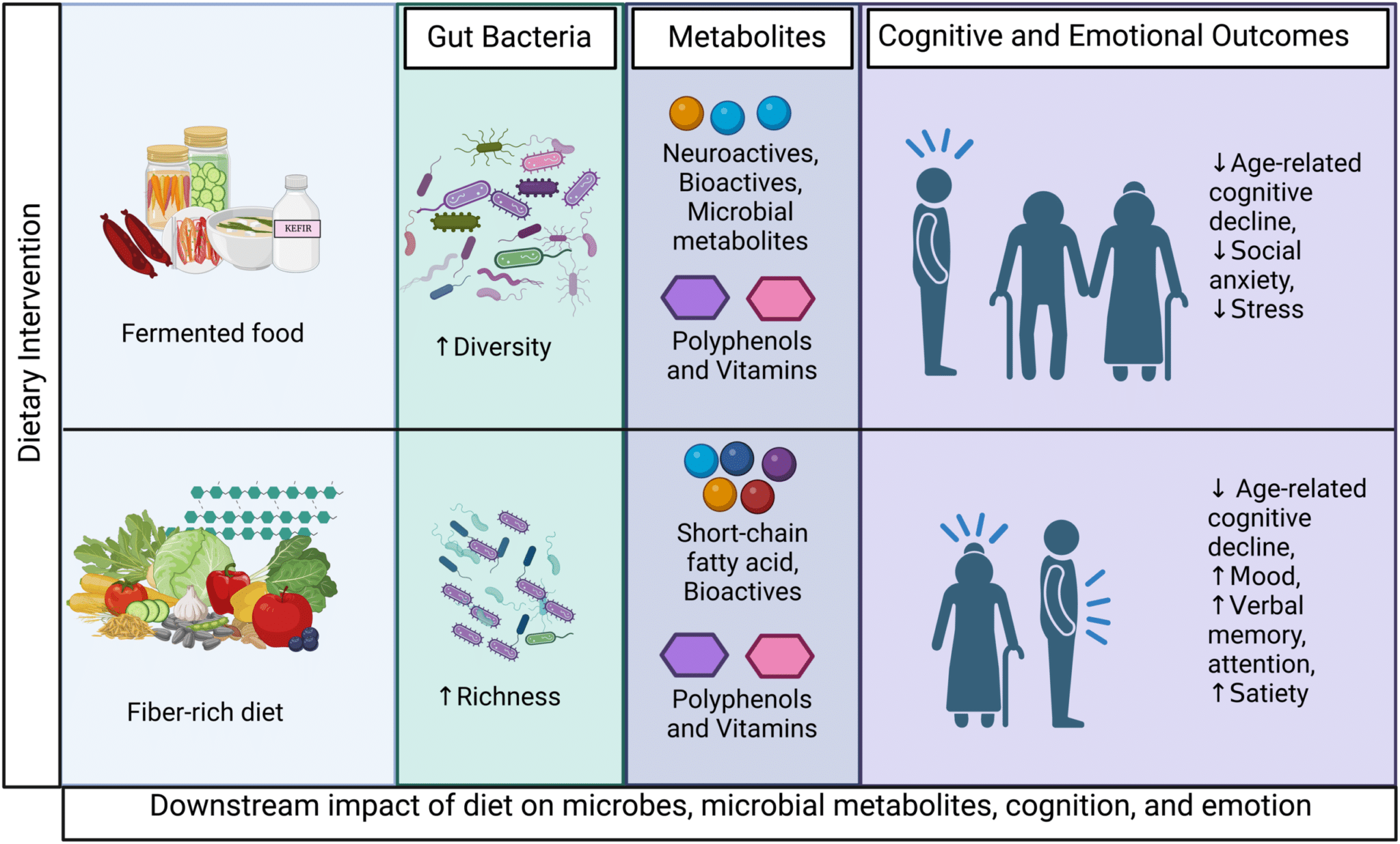
Prebiotics provide fuel for beneficial bacteria, allowing them to multiply and maintain microbial diversity.
Dosage
Most prebiotic supplements recommend 3–5 grams daily.
L-Glutamine
Benefits
L-Glutamine supports the intestinal lining and may help reduce irritation or inflammation within the digestive tract.
Dosage
Typical intake ranges from 2–5 grams per day.
Comparison Table: Best Supplements for Gut Health and Fatigue
| Ingredient | Primary Benefit | Best For | Notes |
|---|---|---|---|
| Probiotics | Restore microbiome balance | Digestive support | 1–10B CFU |
| Prebiotic Fiber | Feed beneficial bacteria | Microbial diversity | 3–5g daily |
| L-Glutamine | Repair gut lining | Inflammation support | 2–5g daily |
| Digestive Enzymes | Improve digestion | Nutrient absorption | With meals |
Lifestyle Habits That Improve Gut Health and Energy
Beyond supplementation, everyday habits strongly influence the gut microbiome.
Healthy habits include:
-
Prioritizing 7–9 hours of sleep
-
Eating fiber-rich whole foods
-
Staying well hydrated
-
Managing stress through exercise or meditation
-
Limiting ultra-processed foods
These practices help create an environment where beneficial bacteria can thrive.
Final Thoughts: Is Gut Health the Missing Piece Behind Your Fatigue?
Fatigue is often blamed on sleep deprivation or stress, yet digestion plays a crucial role in how efficiently the body produces energy.
When the gut microbiome becomes imbalanced, the body may struggle to absorb nutrients, regulate inflammation, and maintain stable neurotransmitter levels.
Recognizing the warning signs and supporting digestive health through nutrition, lifestyle changes, and targeted supplements can gradually restore balance.
When the gut functions properly, the body becomes far more efficient at producing sustainable energy.
FAQs About Gut Health and Fatigue
How long does it take to improve gut health?
Many people begin noticing improvements within 2–4 weeks, though larger microbiome changes may take several months.
Can gut problems really cause fatigue?
Yes. Poor digestion can lead to inflammation, nutrient deficiencies, and neurotransmitter imbalances.
What foods improve gut health the most?
Fermented foods, fiber-rich vegetables, whole grains, and probiotic foods like yogurt and kefir.
Are probiotics safe for daily use?
Most healthy adults can safely take probiotics daily when used as directed.
Can improving gut health increase energy?
Yes. Better digestion improves nutrient absorption, which supports steady energy production.